Accelerates access to critical data
With Elastic, a Large Multinational Aerospace Organization supports 30,000 searches monthly across two million documents from more than 50 sources.
Fuels AI innovation
Beyond enterprise search, the team now has a vectorized platform for retrieval augmented generation (RAG) prototypes running on Elastic.
Reduces data sprawl and duplication
Elastic supports centralized "lessons learned" and process documentation to reduce manual information sharing and enable engineers to make faster, better-informed decisions.
Large Multinational Aerospace Organization overcomes document sprawl and information silos by creating a bespoke search application, unifying structured and unstructured data, that now supports over two million documents and 30,000 searches a month.
For one of the world's largest aerospace and defense companies, technical precision and operational readiness are critical. But until recently, engineers faced obstacles when finding the information they needed. Documentation was scattered across SharePoint sites, file shares, and email archives. Engineers often ended up asking colleagues or maintaining personal notes to keep track of procedures.
Without centralized search, employees wasted time chasing documents or, worse, duplicating them. The challenge grew as the division scaled to more than two million documents spread across 50 to 60 sources, from engineering command media to lessons learned reports and other critical files.
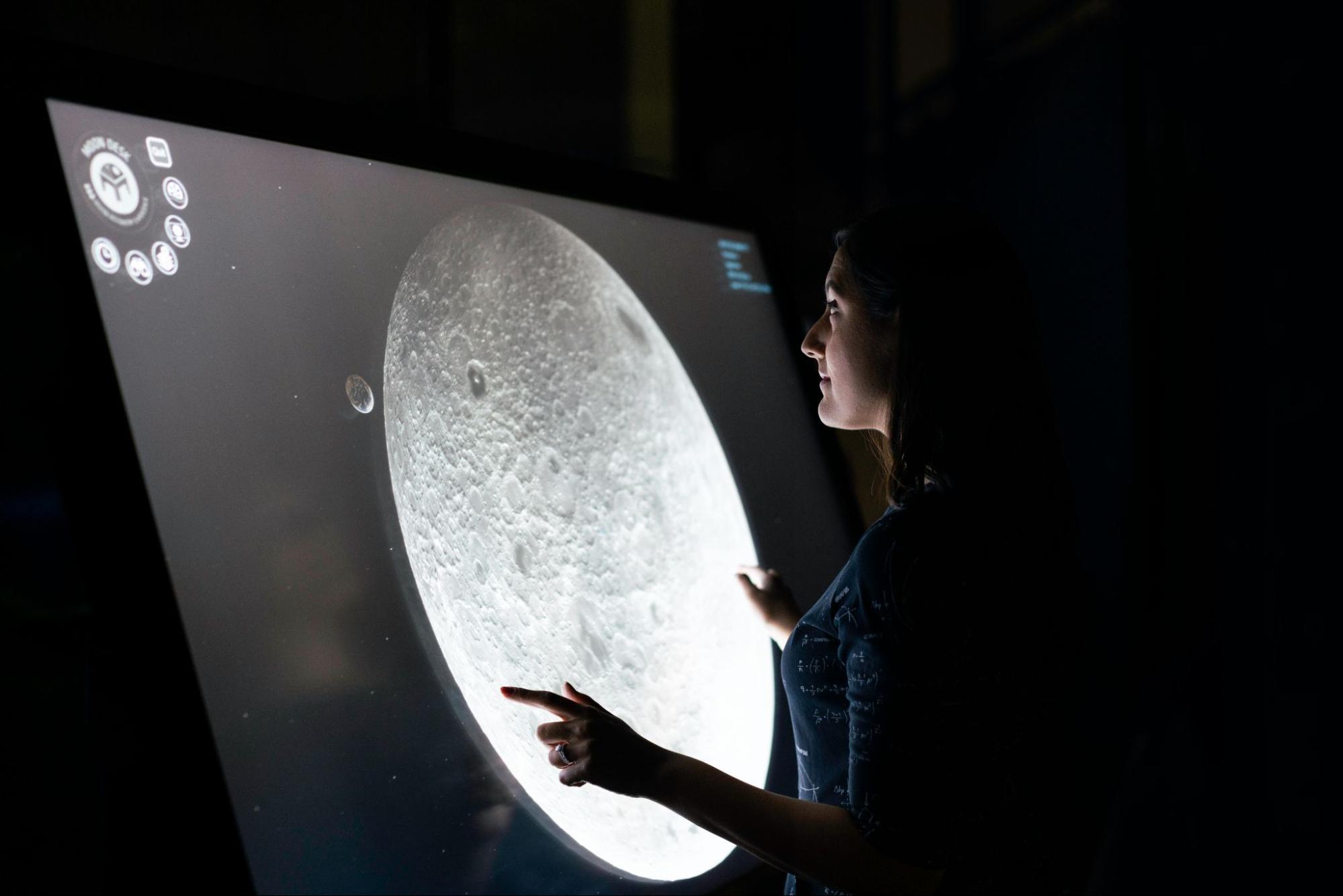
Breaking down data silos
The breakthrough came with Elasticsearch, built on the Elasticsearch Platform. Five years ago, the specific division began building a bespoke enterprise search application, on the Elasticsearch free & open stack. The team has since upgraded to an Elastic Enterprise license, taking advantage of extensive AI capabilities including Elastic's embedding model, ELSER.
The lead developer explains that the main focus of the application is indexing technical documentation. "This is essential because it tells an engineer how to do their job. By indexing directly from original sources, we give engineers confidence that what they find is current and correct."
The app now supports more than two million documents and 30,000 searches a month. Engineers are now able to use a hybrid search approach. Keyword queries pinpoint exact part numbers or policy references, while semantic search allows users to explore broader contexts. "Elastic has enabled us to build a curated, bespoke search engine tailored to specific use cases," says the lead developer. "The result is cleaner, more accurate results."
The Elasticsearch Platform also provides integrated support for generative AI. Using RAG pipelines and ELSER, the team can vectorize datasets and experiment with RAG-based prototypes. This enables the company to test AI-driven assistants while keeping data grounded in authoritative documents. "We are focused on building up our RAG capability," they say. "Elastic makes that a straightforward and integrated process."

Driving adoption across the enterprise
Engineers responded positively to the initiative, and adoption has been rapid. The app is now the only place employees go to access critical documents. "The app is more than just a search engine, it’s a core part of our infrastructure platform and a foundation for future AI applications," says the lead developer.
The platform is especially helpful on the shop floor, where technicians use it to access build and test instructions, helping to keep programs on schedule and ensure engineers make informed decisions quickly.
The team stresses that Elastic stood out from the competition when it came to critical search and AI requirements. "Other tools required bolt-on capabilities to support semantic search and vector databases," they say. "Elastic provides these features natively within an open, scalable architecture." This avoids vendor lock-in and ensures that our app keeps pace with evolving workloads and AI opportunities.
"Other tools required bolt-on capabilities to support semantic search and vector databases. Elastic provides these features natively within an open, scalable architecture."
Unlocking productivity and efficiency
The benefits of the app stretch across this specific teams' business. By centralizing documentation, the team has drastically reduced manual sharing, helping engineers make faster, better-informed decisions. By indexing authoritative sources, the application prevents version sprawl and ensures that users access the most recent information.
These productivity gains extend to onboarding. New hires no longer spend weeks learning which repositories to search. Instead, they can quickly locate and process documentation.
Operational efficiency has improved in mission-critical contexts where delays in finding documents can make a hectic situation even more stressful. Shop floor technicians now access instructions in seconds, ensuring smoother build and test cycles.
At the same time, the company avoids the cost of duplicating search tools across the enterprise. Elastic's platform has become the single, consolidated foundation for enterprise search, eliminating redundant purchases and reducing support overhead.
"The application has been a great success thanks to its ease of use and the reliable support and partnership we have with the Elastic team," says the lead developer. "It is reliable, accurate, and consistently performs as expected."
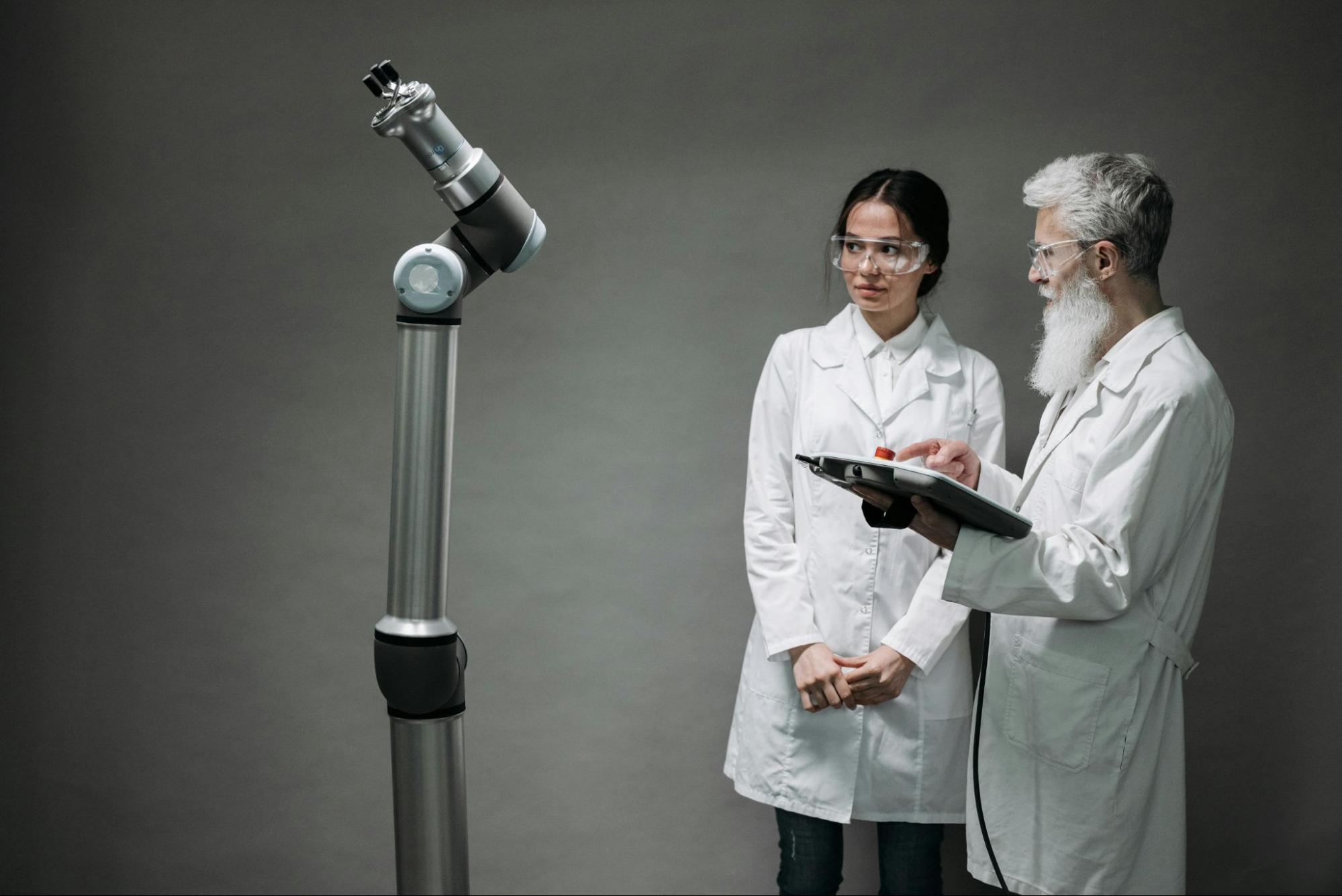
Powering the future with AI
Looking ahead, the app is evolving beyond its original remit into a company-wide knowledge platform ingesting documents across the enterprise and enabling tailored search experiences for specific business areas.
This division has already developed and demoed several RAG-based prototypes using generative AI models. These prototypes show how Elastic can support multi-agent systems and knowledge-based decision support in highly regulated environments. "By reducing noise and improving the relevance of AI-generated responses, Elastic helps us deploy AI in a secure, controlled way," says the lead developer.
The team envisions expanding the app to support both small, specialized document sets and large, complex datasets. The goal is to provide engineers with search tools that align with their workflows while taking advantage of Elastic's backend capabilities. "We are actively working to increase our use of generative AI," they say. "As we support future projects, including missions to the moon and Mars, Elastic keeps us on the forefront when adding new tools like AI assistants, knowledge-based decision support, and scalable enterprise search."
