Operationalize mission and IT data with Elastic as a data mesh
By using Elastic as a data mesh layer, information becomes actionable wherever it resides — no need for centralization or duplication.

Why public sector organizations need a unified data mesh
Public sector teams face fragmented data, outdated infrastructure, and mounting compliance requirements. These challenges slow investigations, increase costs, and limit the ability to apply AI effectively. Elastic helps overcome these barriers with a unified data mesh architecture.
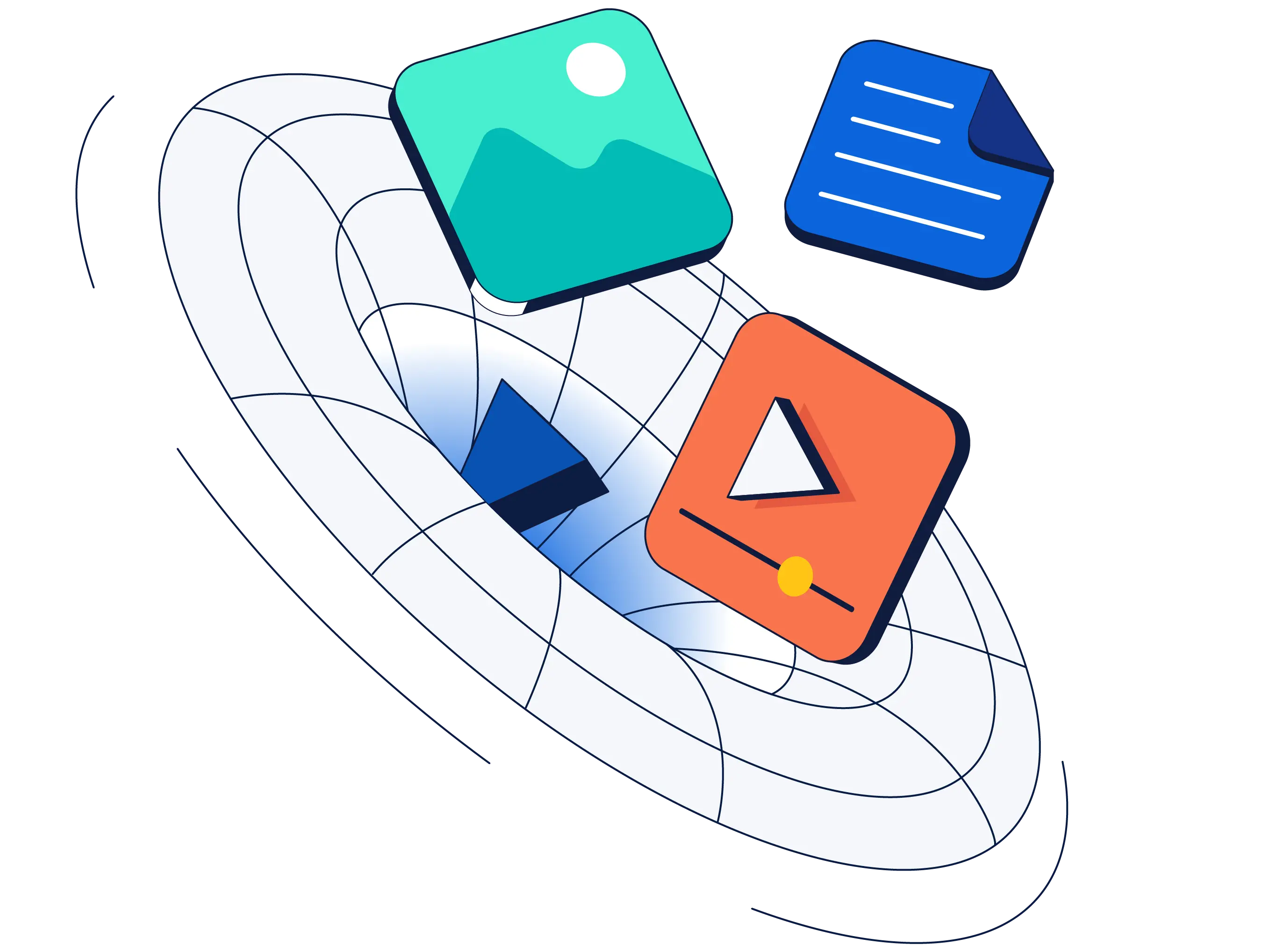
From mess to a unified data mesh architecture


Democratize data for AI and ML with data mesh


Elastic's data mesh platform
The Elasticsearch Platform is built on the power of distributed search — unifying all data, across any format or environment, into a secure, AI-ready foundation.
What makes Elastic's data mesh approach different
Elastic searches and analyzes data wherever it resides — eliminating costly rip-and-replace migrations and enabling teams to search, analyze, and act with confidence from a single platform, with features, including:


Elastic's data mesh resources



Data mesh FAQ
What is data mesh in simple terms?
What is data mesh in simple terms?
A data mesh unifies data across systems and environments, making all information searchable and usable holistically. Unlike centralization, data mesh leaves data where it lives — on-prem, cloud, or hybrid — and indexes it for global access. This reduces complexity, costs, and risk while providing a single source of truth.
How does data mesh differ from a data lake or data fabric for data management?
How does data mesh differ from a data lake or data fabric for data management?
- Data fabric: Copies data from original sites into another system. This often leads to silos and duplication.
- Data lake: Stores large volumes of raw data for future use, but can be slow to query and requires deliberate organization.
- Data mesh: Does not copy or move data. Instead, it indexes data locally and makes it globally searchable through a distributed platform. Data lakes can still complement a mesh for long-term storage of unstructured datasets.
What is the difference between centralized data and data mesh?
What is the difference between centralized data and data mesh?
- Centralized approach: Moves all data into one system. It creates consistency but often slows access and analysis, limits scalability, and introduces bottlenecks.
- Data mesh: Distributes data ownership across domains or teams. Each team manages its own data as a product. This improves access, quality, and speed while still supporting shared governance and interoperability.
Can I build a data mesh using the Elasticsearch Platform?
Can I build a data mesh using the Elasticsearch Platform?
Yes. The Elasticsearch Platform is built for distributed search at multi-petabyte scale. It indexes and analyzes all data sources in near real time, across all formats and locations. Integrated RBAC and ABAC controls ensure secure, role- and attribute-based access.
What are the prerequisites for adopting data mesh?
What are the prerequisites for adopting data mesh?
- Clear ownership of each data domain
- Data that is accurate, reliable, and trustworthy
- Defined security access controls (RBAC/ABAC)
- User groups mapped to access types
- A culture that values collaboration and data-driven decision-making
Why implement data mesh in the public sector?
Why implement data mesh in the public sector?
Public sector organizations manage massive, distributed datasets — often across siloed agencies and hybrid IT environments. A data mesh helps them:
- Reduce duplication and storage costs
- Improve compliance and governance with consistent controls
- Enable secure data sharing across agencies
- Power AI and analytics with real-time, holistic data access